
Understanding Measurement Microphones
Definition and Purpose
In the realm of sound engineering, a measurement microphone is far more than just a device; it’s the silent sentinel ensuring acoustic precision. These specialized microphones are designed to capture audio signals with exceptional accuracy, making them indispensable in environments where sound quality and data integrity matter. Unlike regular microphones, a measurement microphone features a flat frequency response, which guarantees that every nuance of the sound is faithfully recorded without coloration or distortion.
At its core, the purpose of a measurement microphone is to provide reliable data for analyzing sound environments, calibrating audio equipment, or conducting acoustical research. Whether it’s assessing the acoustics of a concert hall or fine-tuning a sound system, this tool offers insights that are crucial for achieving optimal audio performance. Its precision and consistency make it a staple in professional settings, especially where meticulous sound measurement is paramount.
Understanding the definition and purpose of a measurement microphone reveals its vital role in the pursuit of sonic excellence. For those dedicated to capturing sound with integrity, investing in a quality measurement microphone is an essential step towards mastering the art of audio clarity and fidelity. It’s the backbone of accurate sound measurement, turning complex acoustics into tangible data that professionals can trust and act upon.
Difference Between Measurement and Other Microphones
In the world of sound measurement, not all microphones are created equal — and that’s where understanding the difference between measurement microphones and their more “artistic” cousins becomes crucial. While a typical microphone might capture your voice or the latest hit song, a measurement microphone is a precision instrument designed to reveal the hidden truths of sound. Think of it as the Sherlock Holmes of audio equipment, sniffing out every frequency and nuance without bias or distortion.
Unlike regular microphones, which often have a built-in ‘personality’ that colors the sound, a measurement microphone boasts a flat frequency response. This means it faithfully reproduces sound across the entire spectrum, ensuring that what you record is exactly what’s happening in the environment. For those working in acoustics, calibration, or sound system tuning, this accuracy is non-negotiable.
- Regular microphones add character — a bit of warmth or brightness — which is lovely for vocals but disastrous for precise measurements.
- Measurement microphones strip away that personality, providing raw, uncolored data that can be trusted for scientific and professional purposes.
In essence, a measurement microphone isn’t just a fancy gadget; it’s the backbone of credible sound analysis. When accuracy and detail matter, only a measurement microphone will do the job — turning complex acoustics into data that speaks the truth, loud and clear. Because in the realm of sound, you get what you measure, and measurement microphones are the gold standard for those who take sonic fidelity seriously.
Applications in Audio and Acoustic Testing
In the realm of audio and acoustic testing, the application of a measurement microphone is nothing short of transformative. These precision instruments provide the granular detail necessary to analyze sound with scientific rigor, turning subjective perceptions into objective data. From concert halls to recording studios, understanding how sound behaves in a space hinges on the accuracy of the measurement microphone used. It’s a vital tool for acousticians and audio engineers who demand nothing but the best in fidelity.
One of the most compelling uses of a measurement microphone is in room acoustics analysis. By capturing the true frequency response of a space, professionals can identify problematic echoes or dead spots that would otherwise go unnoticed. This data informs critical decisions about sound treatment and speaker placement, ensuring a balanced auditory experience. For sound system calibration, a measurement microphone acts as an unbiased eye—or ear—helping to fine-tune equipment for optimal performance.
In addition, measurement microphones find a crucial role in noise pollution assessments. Governments and environmental agencies utilize these devices to monitor and analyze ambient sound levels, ensuring compliance with safety standards. Whether in urban planning or industrial settings, the reliability of a measurement microphone guarantees that sound measurements reflect real-world conditions faithfully.
For those committed to sonic precision, the versatility of a measurement microphone is unmatched. Its application extends from calibration of audio equipment to in-depth research into acoustic phenomena, making it indispensable in the pursuit of acoustic excellence. When accuracy is paramount, the measurement microphone stands as a cornerstone of credible sound analysis, illuminating the complex tapestry of sound with unwavering clarity.
Key Features and Specifications
Frequency Response
When precision matters, a measurement microphone becomes the silent hero behind every successful acoustic test. These microphones are engineered with an extraordinary frequency response that spans from a deep rumbling bass to crisp, shimmering highs. Such broad range ensures every nuance of sound is captured with impeccable accuracy, vital for detailed analysis and high-stakes audio calibration.
Key specifications include a flat frequency response, ensuring no part of the sound spectrum is exaggerated or diminished. This consistency is crucial for obtaining reliable data. Additionally, the sensitivity level of a measurement microphone is finely tuned to detect even the faintest signals, making it an essential tool for acoustic engineers. Their robust construction also guarantees longevity, even in demanding testing environments.
To simplify complex data collection, many measurement microphones feature:
- High dynamic range for capturing both soft whispers and loud peaks
- Low self-noise levels, ensuring cleaner measurements
- Precision calibration capabilities for maintaining accuracy over time
In a world where sound quality and measurement integrity can make or break a project, choosing the right measurement microphone is not just a decision—it’s a strategic move. Every frequency response curve tells a story, and with the right specifications, it’s a story of precision and clarity that can’t be ignored!
Sensitivity and Signal-to-Noise Ratio
Within the vast realm of sound measurement, a measurement microphone’s sensitivity and signal-to-noise ratio are the unsung heroes that define its true prowess. Imagine capturing a whisper in a thunderstorm—this is the delicate balance a high-sensitivity measurement microphone achieves, detecting even the faintest echoes of sound with remarkable clarity. The sensitivity level, often expressed in millivolts per Pascal, determines how effectively the microphone converts acoustic energy into electrical signals, directly impacting the accuracy of your data.
Equally vital is the signal-to-noise ratio, a figure that illuminates the microphone’s ability to distinguish genuine sound from background hiss. An exceptional measurement microphone boasts a signal-to-noise ratio exceeding 70 dB, ensuring that even the most subtle nuances are preserved without distortion. This clarity becomes essential during intricate acoustic analysis where every decibel counts.
To further enhance performance, many measurement microphones feature:
- Flat frequency response for uncolored sound capture
- High dynamic range, accommodating both soft whispers and loud sound peaks
- Robust construction for enduring demanding environments
In the world of precision sound measurement, these specifications are not mere numbers but the very essence of reliable, high-fidelity data collection—an indispensable tool for every acoustic engineer’s arsenal. When selecting a measurement microphone, understanding these key features opens the door to capturing the universe of sound with unparalleled accuracy and clarity!
Dynamic Range and Maximum SPL
In the realm of sound measurement, the dynamic range and maximum SPL (Sound Pressure Level) of a measurement microphone are critical indicators of its true capability. These features determine how well the microphone can handle a wide spectrum of sound intensities without distortion or loss of fidelity. A high-quality measurement microphone boasts a robust dynamic range, allowing it to accurately capture everything from the faintest whispers to thunderous peaks.
Maximum SPL, often exceeding 140 dB in premium models, ensures that even the loudest environments won’t overwhelm the microphone. This resilience is vital for applications like live sound analysis or industrial noise monitoring, where unpredictable sound levels are common. To optimize performance, many measurement microphones incorporate:
- Extended frequency response to cover a broad spectrum of sounds
- Low distortion characteristics at high SPLs
- Sturdy construction for durability in demanding settings
Understanding these specifications transforms the choice of measurement microphone from guesswork into a strategic decision—one that guarantees precision, clarity, and reliability in every measurement. In the theatre of sound, these features are the unseen forces shaping impeccable data collection.
Polar Patterns and Directionality
In the shadowed corridors of sound measurement, the key features and specifications of a measurement microphone serve as silent guardians of precision. These instruments are crafted not just to listen, but to unveil the hidden truths lurking within the echoes of any environment. Among the most vital aspects are the polar patterns and directionality, which define how a measurement microphone perceives sound from various angles.
Understanding the polar pattern reveals the microphone’s soul—whether it’s omnidirectional, capturing every whisper from all directions, or cardioid, focusing sharply on a single source while shrouding the surroundings in darkness. This specificity influences the fidelity of data collection, especially in complex acoustic landscapes. For applications in industrial noise monitoring or live sound analysis, selecting the right pattern can be the difference between clarity and chaos.
- Omnidirectional: Embraces sound from every angle, perfect for ambient measurements.
- Cardioid: Focused and directional, ideal for isolating specific sound sources.
- Bidirectional: Captures from front and back, useful in stereo or dual-microphone setups.
Such versatility underscores the importance of understanding a measurement microphone’s key specifications. When chosen with intent, these features transform a mere sensor into a window into the unseen world of sound — a vital tool for engineers, acousticians, and sound architects who seek to tame the chaos and extract clarity from the darkness.
Connectivity and Outputs
When it comes to precision in sound measurement, understanding the key features and specifications of a measurement microphone is essential. These devices are not merely passive listeners; they are meticulous observers with capabilities that can make or break acoustic analysis. One of the most critical aspects is connectivity and outputs, which determine how seamlessly the measurement microphone integrates into your setup.
Modern measurement microphones often boast a variety of connectivity options, from balanced XLR outputs to USB interfaces, ensuring compatibility across diverse testing environments. The choice of output can influence signal fidelity and ease of use, especially when capturing nuanced soundscapes that demand high accuracy. For instance, balanced outputs minimize noise interference—a necessity in the often noisy corridors of industrial environments.
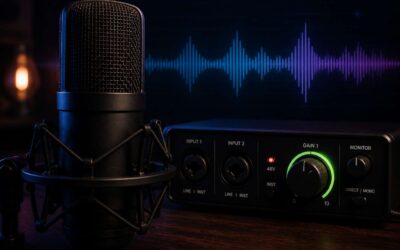
Some measurement microphones include built-in digital interfaces, allowing direct connection to computers or digital audio workstations. This innovation simplifies calibration and data transfer, streamlining complex acoustic testing processes. Whether you prefer traditional analog outputs or cutting-edge digital connections, selecting the right measurement microphone with appropriate connectivity options guarantees clarity and reliability in your sound analysis endeavors.
Types of Measurement Microphones
Condenser Measurement Microphones
Condenser measurement microphones are the precision instruments of choice for acoustic engineers and audiophiles alike. Their exceptional sensitivity and accuracy make them indispensable when capturing the nuances of sound with razor-sharp clarity. Unlike standard microphones, a measurement microphone is designed to deliver an uncolored, flat frequency response—crucial for detailed sound analysis.
Within this category, condenser measurement microphones reign supreme. Their ability to operate across a broad frequency spectrum, combined with their low self-noise, ensures every subtle detail is preserved. These microphones are often characterized by their wide dynamic range and highly stable polar patterns, making them ideal for complex acoustic testing scenarios.
Here’s what sets condenser measurement microphones apart:
- Unmatched sensitivity for capturing faint sounds
- Flat frequency response to ensure accurate readings
- Low distortion, maintaining signal integrity
Electret Microphones
Among the myriad of measurement microphone options, electret measurement microphones occupy a unique niche, blending affordability with impressive performance. Their compact design and robust construction make them particularly appealing for field measurements where portability and resilience are paramount. Unlike traditional condenser measurement microphones, electret variants utilize a permanently charged material that eliminates the need for external power supplies, simplifying integration into diverse testing setups.
While they may not match the ultra-high sensitivity of professional-grade condenser measurement microphones, electret microphones still deliver commendable accuracy within their operational range. Their versatility is evident in applications spanning from environmental noise monitoring to in-situ acoustic assessments. For those seeking a balance between cost and performance, electret measurement microphones present an intriguing option, especially when deploying multiple units across expansive testing environments.
- Ease of use due to integrated preamplifiers
- Lower cost without significant compromise on measurement fidelity
- Resilience in challenging outdoor conditions
In essence, electret measurement microphones exemplify the pragmatic evolution of acoustic measurement technology—offering dependable precision without the fragility or complexity often associated with high-end studio microphones. They stand as a testament to the ongoing innovation within the field of sound measurement instrumentation, ensuring that every whisper of sound can be captured with clarity, regardless of the environment.
Prepolarized Microphones
Prepolarized measurement microphones are a fascinating subset of acoustic instrumentation, offering a blend of convenience and precision that appeals to both seasoned sound engineers and curious audiophiles alike. Unlike their polarized counterparts, prepolarized measurement microphones come with an internal charge, eliminating the need for external polarizing voltage sources. This feature simplifies setup, making them particularly attractive for field measurements where portability and ease of use are paramount.
Their design inherently reduces potential noise sources, ensuring cleaner signal acquisition in diverse environments. Notably, prepolarized measurement microphones are often favored in situations demanding rapid deployment and consistent results. Their rugged construction and reliable performance under varying conditions make them a staple in environmental monitoring, noise pollution studies, and complex acoustic assessments.
In essence, the selection of a measurement microphone—be it prepolarized or otherwise—should always align with the specific demands of the application. For those seeking a versatile, user-friendly device capable of delivering trustworthy data, prepolarized microphones stand out as a wise choice, especially when accuracy and practicality are non-negotiable.
Choosing the Right Measurement Microphone
Factors to Consider
Choosing the right measurement microphone is akin to selecting a trusted compass on an acoustic adventure. The complexity of your project hinges on subtle yet critical factors that can make or break your results. One of the most important considerations is the microphone’s frequency response, which should be flat enough to capture the true sound spectrum without coloration. Sensitivity and the signal-to-noise ratio are equally vital, ensuring that even whispers of sound are recorded with clarity amidst ambient noise.
In addition, the measurement microphone’s dynamic range and maximum SPL determine its ability to handle loud sounds without distortion. Directionality plays a pivotal role—whether you need an omnidirectional microphone for full-sphere measurements or a unidirectional one to focus on specific sources.
- Frequency response accuracy
- Sensitivity and noise floor
- Maximum SPL capacity
- Polar pattern and directionality
Understanding these factors helps navigate the intricate world of acoustic measurement, ensuring precision and reliability in every recording.
Popular Brands and Models
Choosing the right measurement microphone is a pursuit that demands both precision and trust. When it comes to brands, a handful stand out for their unwavering commitment to quality and innovation. Companies like Brüel & Kjær, Earthworks, and Dayton Audio have established reputations for producing measurement microphones that deliver exceptional accuracy and durability.
Among the top models, the Brüel & Kjær Type 4961 and Earthworks QTC series exemplify how advanced engineering meets reliable performance. These microphones are renowned for their flat frequency response, high sensitivity, and robust signal-to-noise ratios—essential qualities for capturing the subtle nuances in acoustic testing.
Ultimately, selecting a measurement microphone from a reputable brand ensures your acoustic measurements are both precise and dependable, transforming complex soundscapes into intelligible data.
Calibration and Maintenance
Importance of Calibration
In the realm of precision measurement, even the slightest deviation can distort the truth. That’s why calibration and maintenance are the unseen heroes of reliable measurement microphone performance. Over time, environmental factors like temperature, humidity, and handling can subtly alter a measurement microphone’s accuracy, leading to skewed data and flawed interpretations. Regular calibration acts as a safeguard, ensuring your microphone’s output remains true to the original standards.
Imagine relying on a measurement microphone to assess sound levels during critical acoustic testing. If left uncalibrated, your readings could be off by a fraction—yet in the world of acoustic engineering, those fractions matter. To prevent discrepancies, many professionals adopt a routine calibration schedule, often including:
- Using certified calibration sources
- Documenting calibration results meticulously
- Performing routine checks after transportation or prolonged storage
Maintaining your measurement microphone isn’t just about accuracy; it’s about safeguarding your entire project’s integrity. In a field where precision is paramount, calibration and maintenance are the silent guardians of trustworthy data—ensuring every measurement tells the true story, no matter how faint or complex the soundscape.
Calibration Methods and Tools
Calibration methods and tools are the backbone of ensuring your measurement microphone remains a bastion of accuracy amidst a sea of environmental fluctuations. Precision is not merely a goal; it’s a necessity, especially when subtle deviations can lead to significant errors in acoustic testing. To achieve this, professionals often rely on a combination of advanced calibration sources and meticulous procedures that verify the microphone’s performance against certified standards.
One of the most trusted techniques involves using certified calibration sources, such as acoustic couplers and reference sound sources, which produce known sound pressure levels. These tools serve as benchmarks, allowing technicians to compare and adjust the measurement microphone’s output accordingly. Regular calibration sessions, performed with precision instruments, help catch drifts caused by temperature shifts, humidity, or handling mishaps.
Some practitioners prefer employing electronic calibration devices that automate the process, providing quick and repeatable results. For those seeking the utmost in reliability, an ordered calibration schedule might include:
- Initial calibration with a primary standard
- Verification after transportation or storage
- Periodic recalibration to maintain traceability
Ultimately, these calibration methods and tools are the silent guardians of measurement microphone integrity, ensuring every sound measurement is trustworthy, precise, and ready to withstand the scrutiny of rigorous acoustic analysis.
Maintenance Tips for Longevity
In the realm of acoustic mastery, the measurement microphone stands as a vigilant sentinel, capturing the subtleties of sound with unwavering precision. Yet, even the most sophisticated instrument requires tender care and vigilant maintenance to preserve its noble integrity. Regular calibration and diligent upkeep are the silent vows that ensure each measurement remains trustworthy, each reading a testament to accuracy.
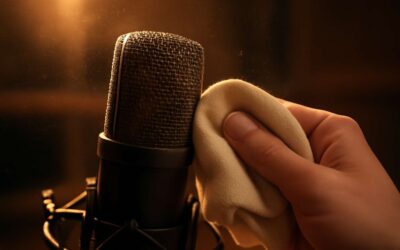
To extend the lifespan of your measurement microphone, a few simple yet vital practices are paramount. Always store it in a clean, dry environment, shielding it from temperature fluctuations and humidity that can distort its delicate components. When not in use, keep the microphone in a protective case—meticulous handling safeguards against shocks and dust. And never underestimate the power of routine calibration—scheduled checks against certified standards keep performance sharp and reliable.
- Handle with care, avoiding drops or jarring movements
- Perform regular calibration sessions to verify performance
- Keep the microphone clean and free from dust or debris
- Store in a controlled environment, away from extreme temperatures
Ultimately, the longevity of your measurement microphone hinges on consistent maintenance—each small act a brushstroke in the grand portrait of acoustic fidelity. When nurtured with diligence, it becomes more than a tool; it transforms into a trusted partner in every sound investigation, echoing the pursuit of perfection in every whisper and roar alike.
Measurement Microphone Applications
Room Acoustics and Soundproofing
Measurement microphones are the unsung heroes of room acoustics and soundproofing projects. When architects and sound engineers want to tame unruly reverberations or pinpoint troublesome frequencies, a high-quality measurement microphone becomes their trusty sidekick. These microphones are meticulously designed to capture sound with astonishing accuracy, providing the raw data needed to shape a space’s acoustic personality.
In soundproofing, measurement microphones help identify leaks and weak points by detecting minute sound transmissions that escape even the most fortified barriers. They are instrumental in fine-tuning the acoustic environment, ensuring that noise pollution is minimized and sound isolation is maximized. Whether it’s adjusting the layout of a recording studio or optimizing a home cinema, these devices give professionals the detailed insights necessary to make informed decisions.
- Accurately characterizing room reverberation times
- Detecting sound leaks in complex structures
- Optimizing soundproofing materials for maximum efficacy
- Assessing the effectiveness of acoustic treatments
Speaker and Microphone Testing
In the realm of audio precision, a measurement microphone is as indispensable as a finely tailored suit—only far more technical and significantly more revealing. When testing speakers, capturing their true frequency response, or diagnosing microphone performance, these devices shine brightly. Their ability to deliver detailed, uncolored sound data ensures that every nuance, from the subtlest whisper to the thunderous bass, is accurately mapped.
For speaker testing, a measurement microphone provides critical insights into how sound propagates and interacts within a space. Whether calibrating a high-end sound system or troubleshooting audio inconsistencies, the precise data from these microphones guides professionals toward optimal sound clarity. Similarly, in microphone testing, they evaluate the fidelity and polar pattern accuracy, making sure each microphone performs as intended in real-world scenarios.
In complex acoustic environments, a measurement microphone effectively identifies irregularities and deviations, ensuring that audio equipment performs seamlessly. From calibration to quality assurance, this device remains an essential tool for ensuring audio excellence—transforming subjective impressions into objective, actionable data.
Environmental Noise Monitoring
Environmental noise monitoring is an essential application of measurement microphones, especially in urban areas where sound pollution can impact health and well-being. These microphones enable precise recording of ambient noise levels, providing data crucial for regulatory compliance and urban planning. In South Africa, where rapid development often clashes with environmental concerns, accurate noise measurement becomes more than a technical necessity—it’s a societal imperative.
A measurement microphone’s sensitivity and frequency response are vital in capturing a comprehensive picture of environmental soundscapes. They can detect subtle fluctuations in noise levels, helping authorities identify sources of excessive noise and enforce legislation. This process supports sustainable development, ensuring that growth doesn’t come at the expense of community living standards.
For effective environmental noise monitoring, selecting the right measurement microphone involves considering factors like durability, calibration stability, and compatibility with data logging systems. Whether used in urban centers or natural reserves, these devices deliver the objective data needed to make informed decisions about noise control and environmental protection.
Research and Development in Audio
Research and development in audio technology continually push the boundaries of what measurement microphones can achieve. These precision devices are vital in exploring new frontiers of acoustic understanding, from enhancing concert hall acoustics to developing cutting-edge noise-canceling systems. In South Africa, where diverse soundscapes—from bustling urban streets to tranquil rural farms—demand tailored solutions, measurement microphones serve as the bridge between human experience and scientific accuracy.
Innovative R&D efforts often focus on improving the sensitivity and frequency response of measurement microphones, enabling more detailed analysis of complex sound environments. For instance, researchers might use a combination of measurement microphone arrays to map sound propagation in natural reserves, helping conservationists protect delicate ecosystems. Additionally, development teams are exploring new materials and calibration techniques to ensure these microphones perform reliably over time, even in challenging outdoor conditions.
Furthermore, advancements include the integration of smart features such as real-time data logging and wireless connectivity, making measurement microphones more versatile in various applications. Whether in urban noise pollution studies or acoustic testing for new audio equipment, these innovations allow for richer, more accurate data collection. As a result, R&D in audio with high-quality measurement microphones continues to drive progress in understanding and managing sound in South Africa’s vibrant landscapes.
Future Trends and Innovations
Advancements in Microphone Technology
In the ever-evolving realm of measurement microphone technology, the horizon teems with innovations that promise to redefine acoustic precision. As soundscapes become increasingly complex, future trends are leaning toward smarter, more adaptive solutions that seamlessly integrate with digital ecosystems. Imagine a measurement microphone that not only captures sound with unparalleled accuracy but also intuitively adjusts to environmental changes, providing real-time data with minimal calibration fuss.
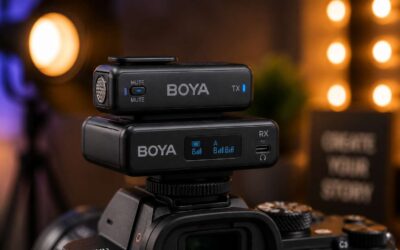
Advancements are spearheading the development of miniature yet highly sensitive measurement microphones, ideal for intricate acoustic environments. Emerging materials and manufacturing techniques are enabling these devices to operate within broader frequency ranges, delivering richer data. Among the exciting innovations are wireless measurement microphones, which eliminate cumbersome cabling, facilitating more flexible testing scenarios. These cutting-edge tools are designed to connect effortlessly with advanced analysis software, making noise monitoring and audio testing more efficient than ever before.
Additionally, the integration of artificial intelligence within measurement microphones heralds a new era of autonomous calibration and noise reduction. By harnessing machine learning algorithms, future measurement microphones will anticipate and compensate for environmental variables, ensuring precision is maintained without manual intervention. As the industry strides forward, these innovations will empower professionals in South Africa and beyond to achieve unprecedented levels of acoustic insight—truly a symphony of technological progress!
Integration with Digital Measurement Systems
In the shadowed corridors of technological innovation, the future of measurement microphone technology beckons with a whisper of transformation. As digital ecosystems become more intertwined with acoustic measurement, integration is no longer a mere convenience but a necessity. The next generation of measurement microphones will seamlessly meld with advanced measurement systems, transforming how professionals perceive soundscapes across South Africa and beyond.
Imagine a measurement microphone that not only captures the nuances of sound with spectral precision but also communicates effortlessly with smart analysis tools. The integration of artificial intelligence will enable these microphones to perform autonomous calibration, adapt to fluctuating environmental conditions, and even predict potential measurement anomalies before they occur. Such intelligent devices will elevate acoustic testing to a new realm of accuracy and efficiency.
- Wireless connectivity—eliminating cumbersome cables for more fluid, real-time data collection.
- Enhanced compatibility with digital measurement systems, streamlining workflows and reducing calibration downtime.
- Miniaturization paired with high sensitivity, allowing for precise measurements within intricate acoustic environments.
These innovations herald a renaissance in measurement microphone technology—an era where digital integration and smart functionalities converge to produce an almost ethereal level of acoustic insight. For professionals navigating South Africa’s diverse soundscapes, this evolution promises a future where sound measurement becomes not just more accurate but profoundly more intuitive. The symphony of progress is only just beginning—an orchestration where every note is captured with relentless clarity and purpose.
Emerging Uses in Virtual and Augmented Reality
As the digital realm continues to weave an intricate tapestry with the physical world, the future of the measurement microphone emerges from the shadows with a promise of unprecedented innovation. Virtual and augmented reality (VR and AR) are no longer confined to gaming or entertainment; they are forging new pathways in acoustic measurement, creating immersive environments where sound becomes a dynamic, living entity. The integration of measurement microphone technology into these virtual worlds heralds a new era of precision and realism.
Emerging uses in VR and AR extend far beyond mere spatial audio. Imagine a measurement microphone that intelligently adapts to virtual environments, providing real-time acoustic data that enhances user immersion and interaction. These sophisticated devices will leverage artificial intelligence to predict environmental changes, allowing for seamless soundscapes that respond naturally to user movements and virtual interactions. Such advancements will transform how South African professionals approach sound design, acoustic testing, and environmental monitoring within digital domains.
- Enhanced spatial fidelity through high-precision measurement microphone arrays
- Real-time environmental noise suppression tailored for virtual worlds
- Remote calibration capabilities to ensure consistent accuracy across diverse virtual simulations
The convergence of measurement microphone technology with virtual and augmented reality systems signifies a profound shift. It’s as if sound itself is being reborn—more vivid, more responsive, and more intertwined with the human experience. For those navigating South Africa’s rich and layered soundscapes, these innovations promise to unlock a new dimension of acoustic insight, where every whisper and echo is captured with spectral perfection and profound clarity. The dark symphony of progress plays on, beckoning us toward a future where measurement microphone technology becomes the silent guardian of sonic truth in the digital age.
0 Comments