
Understanding Different Types of Recording Microphones
Condenser Microphones – Overview, use cases, advantages, and popular models
Condenser microphones have long been revered as the pinnacle of clarity and sensitivity in the world of recording. Their ability to capture subtle nuances makes them indispensable for vocalists, podcasters, and studio engineers alike. Unlike dynamic microphones, which excel in high sound pressure environments, condenser microphones thrive in controlled settings, revealing every whisper and breath with astonishing detail.
These microphones operate through a capacitor that requires external power, often via phantom power, allowing them to deliver a crisp, transparent sound. Their versatility makes them a popular choice among professionals seeking which microphone is best for recording vocals or acoustic instruments. Some of the most renowned models include the Neumann U87, Audio-Technica AT4040, and Rode NT1-A — all celebrated for their pristine sound quality and reliability.
While they excel in studio environments, it’s worth noting that condenser microphones are more delicate than their dynamic counterparts. They demand a quieter, sound-treated space for optimal performance. Their ability to reproduce sound with precision is why many producers and artists gravitate toward this type when seeking the ultimate recording clarity.
Dynamic Microphones – Overview, use cases, advantages, and popular models
In the realm of sound capture, dynamic microphones stand as stalwart guardians, renowned for their rugged durability and ability to withstand the chaos of live environments. Unlike their condenser counterparts, these microphones excel in high sound pressure level (SPL) situations, making them ideal for capturing powerful vocals, amplified instruments, or even the roar of an electric guitar amplifier. Their sturdy construction means they’re less sensitive to ambient noise, offering a focused, punchy sound that cuts through the mix with confidence.
For those pondering which microphone is best for recording in unpredictable or energetic settings, dynamic microphones like the Shure SM58 and SM57 are often the heroes of choice. Their reliable performance under demanding conditions makes them a staple in both studio and stage environments. Interestingly, their simplicity and resilience have immortalized them in history, often being the first pick for capturing raw, authentic sound. Whether it’s for live vocals or miking drums, dynamic microphones deliver with unwavering consistency and punch.
- The Shure SM58: An industry icon, revered for its ability to handle vocals with clarity and durability.
- The Sennheiser e935: Known for its rich sound profile and resilience in live settings.
- The Beyerdynamic M88: Famous among professionals for its wide frequency response and exceptional transient response.
While they may lack the delicate sensitivity of condensers, their robustness makes dynamic microphones an essential part of any comprehensive recording arsenal. Their straightforward design and reliability often lead sound engineers to ask: which microphone is best for recording in high-pressure environments? The answer often points toward the formidable, dependable nature of dynamic microphones, especially when durability and focus are paramount.
Ribbon Microphones – Overview, use cases, advantages, and popular models
Ribbon microphones possess an almost mystical charm in the world of sound capture. Favoured by audio purists, these microphones are revered for their warm, vintage tone that adds a touch of soul to any recording. Unlike condenser or dynamic mics, ribbon microphones are delicate, often requiring gentle handling and careful placement. Their unique design—featuring a thin ribbon of metal suspended within a magnetic field—creates a natural, smooth response that is particularly suited for capturing vocals and acoustic instruments with rich detail.
Use cases for ribbon microphones often include studio recordings where warmth and nuance are paramount. They excel in recording vocals, brass instruments, and guitar cabinets, delivering a lush sound that breathes life into every note. However, because ribbon microphones are more sensitive to high SPLs and can be fragile, they’re less suited for live environments. Instead, their place is in controlled, peaceful settings where their full character can shine.
Some popular models to consider include the Royer R-121 and the AEA R84. These models have earned their reputation by offering a perfect blend of durability and exceptional sound quality. When pondering which microphone is best for recording, especially in pursuit of capturing authentic, warm tones, ribbon microphones stand out as a compelling choice, promising both depth and a touch of nostalgia for your recordings.
Lavalier Microphones – Overview, best applications, and top choices
In the vast symphony of sound capture, the choice of microphone can elevate a recording from mere noise to a masterpiece. Among the myriad options, Lavalier microphones often emerge as the whispering heroes behind the scenes—tiny yet mighty. Their discreet profile and exceptional clarity make them the ideal choice for capturing spoken word, interviews, and stage performances where mobility and subtlety are paramount. These miniature marvels cling comfortably to clothing, ensuring the speaker’s voice remains unencumbered by the weight of bulky gear.
For those pondering which microphone is best for recording in dynamic environments, lavaliers offer an elegant solution. They excel in live broadcasts, theater, and documentary filmmaking, where hands-free operation is essential. Their omnidirectional pickup pattern ensures consistent sound quality, even when the speaker turns or moves. Some of the top choices include the Sennheiser ME 2-II and the Rode Lavalier GO, both renowned for their durability and pristine audio reproduction. In the quest for authentic sound, lavalier microphones whisper the secrets of intimacy and clarity, making them a compelling contender in the world of professional recording.
USB Microphones – Overview, ease of use, recommended models for beginners
In a world where the clarity of voice can make or break a story, understanding the nuances of recording microphones becomes essential. USB microphones have surged in popularity, especially among beginners, thanks to their simplicity and plug-and-play nature. They eliminate the need for complex audio interfaces, making them an accessible entry point for home studios, podcasters, and content creators across South Africa.
These microphones typically connect directly to your computer via USB, offering remarkable ease of use without sacrificing quality. For those just starting out, some recommended models include the Blue Yeti and the Audio-Technica ATR2100x-USB, both celebrated for their durability and impressive sound reproduction. Their versatility allows seamless transitions between recording vocals, instruments, or streaming sessions.
- Plug-and-play convenience
- Compact and portable design
- Ideal for beginners and casual users
While choosing which microphone is best for recording depends on your specific needs, USB microphones stand out as a practical and reliable choice for those embarking on their audio journey. Their straightforward setup and affordability make them a favorite in the vibrant South African creative landscape, where the power of voice is as vital as ever.
Key Factors to Consider When Choosing a Microphone
Sound Quality and Frequency Response – How these impact recording clarity
In the labyrinthine world of sound capture, understanding sound quality and frequency response becomes essential when choosing which microphone is best for recording. These two elements serve as the sonic fingerprints, shaping clarity and authenticity in every note and nuance. A microphone’s sound quality influences how faithfully it reproduces the source, whether capturing the warmth of a vocal or the crisp detail of an acoustic guitar. Meanwhile, frequency response—ranging from deep bass to shimmering treble—determines the richness and fidelity of the recording. An extended, flat frequency response ensures that no sonic detail is sacrificed, making the difference between a muddled track and a pristine masterpiece. For those seeking impeccable clarity, scrutinizing the microphone’s frequency response helps avoid muddy recordings and ensures every whisper and crescendo cuts through the mix with remarkable precision.
It’s tempting to focus solely on the type of microphone, but the interplay of sound quality and frequency response often holds the key to unlocking superior recordings. When evaluating which microphone is best for recording, look for models with a broad, flat frequency response—ideally from around 20Hz to 20kHz—to capture the full spectrum of sound. This not only enhances the clarity but also preserves the natural character of the source. Remember, the most expensive mic isn’t always the best; instead, selecting one tailored to your specific recording needs—considering these sonic parameters—can elevate your projects from average to extraordinary.
Pickup Pattern Types – Cardioid, Omnidirectional, Bidirectional, and their applications
Choosing the correct pickup pattern can elevate your recording from mere sound to sonic artistry — or at least prevent your voice from sounding like it’s speaking from the bottom of a well. When pondering which microphone is best for recording, understanding the nuances of pickup patterns becomes paramount. These patterns determine how sensitive a microphone is to sound sources from various directions, shaping the intimacy and clarity of your recordings.
For instance, the cardioid pattern, with its heart-shaped sensitivity, is a popular choice for studio vocals and podcasting — it captures the source directly in front while rejecting unwanted ambient noise. Omnidirectional microphones, on the other hand, pick up sound equally from all directions, making them ideal for capturing live performances or group discussions where the environment adds to the ambiance. Bidirectional (or figure-eight) microphones excel at recording duets or interviews, capturing two sources facing each other while minimizing background noise.
- Cardioid: Focused, ideal for studio vocals and solo recordings.
- Omnidirectional: All-encompassing, perfect for capturing the atmosphere of a room.
- Bidirectional: Symmetrical pickup, suitable for duet recordings or interview setups.
Understanding these patterns helps steer your decision when asking which microphone is best for recording. The right choice depends largely on the environment and the desired acoustic outcome. Whether you’re in a quiet studio or a bustling live venue, selecting the appropriate pickup pattern ensures your recordings are as pristine and natural as possible — a true testament to your sonic discernment.
Connectivity Options – XLR, USB, and Wireless microphones
In the shadowed corridors of audio craftsmanship, connectivity options can determine whether your voice echoes with clarity or dissolves into the abyss. The choice between XLR, USB, and wireless microphones is not merely a matter of convenience but a decision that shapes the very soul of your recording environment. An XLR microphone, with its robust, professional-grade connection, often whispers promises of pristine sound and durability—ideal for studio-grade projects where fidelity is king.
USB microphones, in contrast, beckon the solitary artist or content creator with their plug-and-play simplicity. They are the spectral lanterns in the dark, offering ease of use without sacrificing quality—perfect for beginners or those seeking quick, reliable results. Meanwhile, wireless microphones cast a spell of freedom, unshackling performers from tangled cords and allowing movement that feels almost supernatural.
- Consider the environment—do you need the stability of XLR or the convenience of USB?
- Assess your technical expertise—are you comfortable with professional-grade setups or prefer simplicity?
- Weigh mobility against reliability—wireless microphones offer freedom but require careful interference management.
Choosing which microphone is best for recording hinges on these subtle, yet vital, distinctions—each connection type weaving its own narrative into your sonic tapestry. In South Africa’s diverse acoustic landscape, understanding these factors elevates your craft from mere sound to an immersive, atmospheric experience that resonates long after the last note fades into the ether.
Budget and Price Ranges – Affordable vs. professional-level options
When it comes to choosing which microphone is best for recording, budget considerations play a pivotal role. The truth is, you don’t have to break the bank to get decent sound—there are plenty of affordable options that deliver surprisingly good quality. For beginners or casual creators, a mid-range USB microphone can be a game-changer, offering a straightforward setup without sacrificing clarity.
On the other end of the spectrum, professional-level microphones are designed for those who demand studio-grade fidelity. These premium models boast superior sound quality, durability, and often feature advanced pickup patterns. If your project involves high-stakes voiceovers or musical recordings, investing in a high-end condenser or dynamic microphone might be the wisest choice.
Pricing ranges vary: entry-level microphones can be found for as little as a few hundred rand, while top-tier models can climb into the tens of thousands. Whether you’re a hobbyist or a seasoned pro, understanding these price ranges helps you navigate which microphone is best for recording within your budget.
Portability and Size – Considering the recording environment and mobility
When choosing which microphone is best for recording, portability and size often tip the scales. Imagine lugging around a bulky studio condenser when your project calls for on-the-go flexibility—hardly practical, is it? The recording environment plays a pivotal role here. For field interviews or spontaneous podcasts, a compact lavalier microphone or a handheld dynamic mic can be a revelation, slipping unnoticed into your pocket or bag.
Size matters not just for convenience but also for sound capture. Smaller microphones tend to be more discreet, but that doesn’t necessarily mean sacrificing audio quality. A robust, portable microphone can still deliver impressive results if it’s designed with mobility in mind.
Consider whether your setup requires wireless connectivity or a simple plug-and-play USB. For those who value ease of transport without sacrificing fidelity, a lightweight, portable model should be high on your list. After all, the best microphone for recording isn’t just about sound quality; it’s about how seamlessly it fits into your lifestyle and environment.
Compatibility with Devices and Software – Ensuring seamless integration with your setup
Choosing the right microphone for recording isn’t just about sound quality; it’s about seamless compatibility with your existing devices and software. After all, a microphone that doesn’t connect easily or work with your setup can cause frustration and delay your creative flow. Compatibility can range from simple USB plug-and-play options to more complex XLR connections, so understanding your system is crucial.
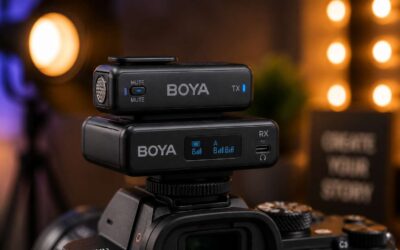
When considering which microphone is best for recording, pay attention to the connectivity options. Some microphones are designed exclusively for digital use via USB, making them perfect for beginners or quick setups. Others require audio interfaces with XLR inputs, offering professional-grade sound but demanding a bit more technical know-how. Wireless microphones, meanwhile, provide unparalleled mobility—ideal for dynamic environments where movement is key.
- Check device compatibility: Ensure your computer, camera, or recording device supports the microphone’s connection type.
- Review software integration: Confirm that your preferred recording or editing software recognizes the microphone without hassle.
- Assess power needs: Determine whether the microphone requires phantom power or operates solely on plug-and-play convenience.
By understanding these compatibility nuances, you’ll be better equipped to select which microphone is best for recording—one that not only captures pristine sound but also integrates effortlessly into your workflow. Whether you’re capturing vocals, conducting interviews, or recording podcasts, the right compatibility ensures your voice is heard loud and clear, without technical setbacks.”
Best Microphones for Different Recording Scenarios
Home Studio Recording – Top model recommendations
When it comes to home studio recording, choosing the right microphone can feel like navigating a labyrinth without a map. But here’s a nugget of truth: the answer to which microphone is best for recording depends largely on your specific needs and environment. For vocalists craving crisp, studio-quality sound, a high-end condenser microphone often steals the show, capturing every nuance with remarkable clarity. Conversely, if you’re recording loud instruments or need durability, a dynamic microphone might be your best bet.
For those seeking versatility without a hefty investment, USB microphones deliver impressive sound quality and are a breeze to set up, making them ideal for beginners. Whether you’re laying down vocals, podcasting, or recording instruments, understanding the different types and their applications ensures you’re equipped to pick the perfect tool for your unique scenario. So, which microphone is best for recording? The answer varies, but knowing your options makes all the difference.
Podcasting and Voiceovers – Best microphones for clear vocal capture
In the shadowed corridors of audio craftsmanship, the question lingers— which microphone is best for recording? For podcasters and voiceover artists in South Africa seeking clarity amidst the chaos, the choice becomes a quest for precision. The microphone’s voice must cut through the ambient gloom, capturing every whisper of emotion with haunting fidelity.
When selecting for voice clarity, condenser microphones often emerge as the spectral guardians of studio quality. Their ability to reveal subtle inflections makes them prime for vocal storytelling. However, dynamic microphones, resilient and unyielding, excel when confronting loud environments or high-energy recordings. For those venturing into the realm of ease and portability, USB microphones cast their spell, offering a seamless connection with minimal fuss. In the end, which microphone is best for recording hinges on the environment and the story you wish to tell—each scenario demanding its own spectral signature.
Music Production and Instrument Recording – Microphone choices for studio quality sound
When it comes to music production and instrument recording, choosing the right microphone can make the difference between a mediocre track and a studio-quality masterpiece. In South Africa’s vibrant music scene, understanding which microphone is best for recording various instruments ensures your sound stands out. For capturing vocals, condenser microphones are often preferred because of their ability to pick up subtle nuances and deliver crisp clarity. However, when recording loud instruments like drums or guitar amps, dynamic microphones tend to excel due to their robustness and rejection of background noise.
For those seeking versatility, ribbon microphones offer a warm, vintage tone, making them ideal for adding character to recordings. If budget constraints are a concern, there are affordable options that don’t compromise quality—yet, for professional-grade sound, investing in higher-end models is worth considering. The choice ultimately hinges on the specific recording environment and the sound you aim to achieve. So, which microphone is best for recording depends on the task at hand, but understanding these distinctions helps producers and musicians make informed decisions to elevate their craft.
Field Recording and Outdoors – Durability and specialized features needed
When venturing into the wild terrain of field recording and outdoor captures, durability becomes the compass guiding your choice. Unlike studio environments, outside settings demand microphones that can withstand dust, moisture, and unpredictable weather. Here, ruggedness and specialized features like windshields and shock mounts are essential, transforming the microphone into a resilient companion rather than a fragile instrument. The question of which microphone is best for recording outdoors often hinges on their ability to suppress ambient noise while capturing the essence of distant sounds with clarity.
In such scenarios, shotgun microphones are revered for their directionality and long reach, allowing creators to isolate distant wildlife or environmental sounds. Alternatively, some prefer the versatility of handheld dynamic mics, especially models with weather-resistant coatings. For those who prioritize portability without sacrificing fidelity, selecting a microphone with a sturdy construction and weatherproof features ensures your audio journey remains uninterrupted. The right choice elevates outdoor recordings from mere sound snippets to immersive sonic landscapes, making each capture a testament to resilience and precision.
Streaming and Content Creation – Microphones optimized for live streaming
When it comes to live streaming and content creation, audio quality can make or break the viewer’s experience. Audiences are increasingly discerning, craving crystal-clear sound that captures every nuance of a creator’s voice. So, which microphone is best for recording in this context? The answer hinges on a delicate balance between ease of use, clarity, and background noise suppression. For streamers and YouTubers, USB microphones are often the go-to choice, offering plug-and-play simplicity combined with surprisingly high fidelity. Models like the Blue Yeti or Audio-Technica ATR2100x are renowned for their versatility and exceptional sound quality, making them ideal for both beginners and seasoned creators alike.
In addition to choosing the right microphone type, understanding pickup pattern types is vital. Cardioid microphones, which focus on sound originating directly in front of them, are especially favored for streaming because they minimize ambient noise and echo. This targeted approach ensures your voice remains front and center, even in less-than-ideal acoustic environments. For those who need mobility and flexibility, wireless microphones with stable connectivity provide the freedom to move during recordings without sacrificing audio fidelity. Ultimately, selecting the right microphone tailored to your content creation needs elevates your production, ensuring your voice resonates clearly across every platform.
Essential Accessories for Optimal Recording
Microphone Stands and Boom Arms – Stability and positioning
Achieving pristine sound quality begins with more than just selecting the right microphone; it hinges on the stability and precision of your recording setup. Microphone stands and boom arms serve as the silent guardians of your audio adventures, ensuring your chosen microphone remains perfectly positioned amidst the chaos of creativity. The right stand prevents unwanted vibrations and noise, safeguarding your recordings from accidental bumps or shifts that can compromise clarity.
For optimal results, consider investing in a sturdy, adjustable microphone stand that offers both stability and flexibility. A well-designed boom arm not only provides effortless positioning but also reduces desk clutter, creating an environment where inspiration flows freely. Whether you’re capturing delicate vocals or powerful instrument recordings, the importance of a reliable stand cannot be overstated. After all, understanding which microphone is best for recording is only part of the equation—your setup’s stability makes all the difference in producing professional-grade sound.
Pop Filters and Windscreens – Reducing plosive sounds and wind noise
In the pursuit of capturing pristine sound, the journey often begins with the microphone itself, but the story doesn’t end there. Essential accessories like pop filters and windscreens act as the silent guardians of clarity, ensuring that every word, note, and nuance reaches the listener unblemished. These simple yet vital tools serve a crucial purpose: reducing plosive sounds and wind noise that can otherwise mar a perfect recording.
When pondering which microphone is best for recording, remember that accessories like pop filters and windscreens elevate your setup from amateur to professional-grade. They seamlessly integrate with your microphone, providing a smooth barrier against unwanted audio artifacts. For vocalists and podcasters alike, the addition of a high-quality pop filter can make all the difference, transforming a decent recording into a compelling sonic experience. In the end, choosing the right microphone is only part of the equation—pairing it with the right accessories unlocks its true potential.
Audio Interfaces and Mixers – Connecting analog mics to digital systems
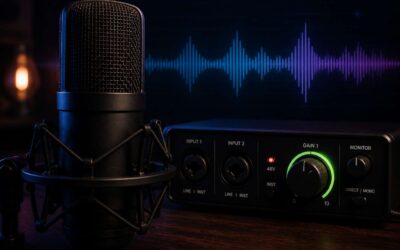
Connecting the right microphone to your setup can feel like deciphering a secret code, especially when considering which microphone is best for recording. The journey involves more than just picking a device; it’s about ensuring seamless integration with audio interfaces and mixers that bridge the gap between analog microphones and digital systems. This connection is crucial for preserving the integrity of your sound, whether you’re capturing vocals, instruments, or ambient soundscapes.
Audio interfaces and mixers act as the command centers, amplifying and refining your audio signals with precision. For those venturing into professional-grade recordings, choosing the right interface—one that offers robust XLR connectivity and low latency—is paramount. Additionally, considering whether your setup benefits from a simple USB connection or a more versatile wireless system can shape your entire recording workflow.
- Ensure compatibility with your preferred microphone type, whether condenser, dynamic, or ribbon.
- Prioritize features like phantom power for condenser mics or adjustable gain controls for clarity.
- Opt for interfaces with multiple inputs if you plan to record multiple sources simultaneously, enhancing your creative potential.
In the quest to determine which microphone is best for recording, pairing it with reliable audio interfaces and mixers can elevate your sound from ordinary to extraordinary. This synergy unlocks the full sonic potential of your microphone, transforming your recordings into captivating audio experiences that stand out in any South African studio or mobile setup.
Shock Mounts – Minimizing handling noise and vibrations
When diving into the world of professional audio, the importance of essential accessories cannot be overstated—especially shock mounts. These simple yet crucial devices serve as the silent guardians of pristine sound, absorbing vibrations and minimizing handling noise that can otherwise sabotage your recordings. Whether you’re capturing delicate vocals or intricate instrument layers, a shock mount ensures your microphone’s signal remains untainted by external disturbances.
Choosing which microphone is best for recording often hinges on the environment and the level of sound clarity you require. To elevate your setup further, pairing your microphone with a high-quality shock mount can make all the difference. It’s an investment in sound integrity that transforms a good recording into a professional masterpiece. In densely populated South African studios or mobile setups, where external noise is a constant challenge, shock mounts become an indispensable tool for achieving studio-grade results.
Expert Tips for Choosing the Right Microphone
Matching Microphone to Your Voice and Style – Personalized recommendations
Choosing the perfect microphone is akin to selecting a loyal steed for a grand quest—each option bears its own strengths, suited to different voices and styles. When pondering which microphone is best for recording, it’s essential to match its character to your unique vocal signature. For instance, if your voice carries a rich, warm timbre, a condenser microphone can beautifully capture every nuance, revealing depth and clarity that elevate your recordings into artistry. Conversely, dynamic microphones excel in environments with high noise or for those with more direct vocal projection, ensuring your voice remains front and center amidst chaos.
Understanding your style is paramount. A vocalist recording delicate ballads might favor a microphone with a wide frequency response that preserves subtle details, while a podcaster might lean toward a cardioid pattern to minimize background noise. Context matters too—whether you’re in a controlled studio or outdoors—each scenario demands different microphone specifications. Exploring these factors helps you determine which microphone is best for recording, ensuring every note resonates with authenticity and power.
Test and Compare Before Buying – Importance of testing microphones in real conditions
When it comes to selecting which microphone is best for recording, hands-on testing is irreplaceable. Relying solely on specifications can be misleading—what sounds great in theory might not suit your voice or environment. Conducting real-world tests helps you gauge how each microphone handles your unique vocal qualities and the acoustic space you work in. This step ensures your investment aligns with your specific needs, whether you’re recording vocals, instruments, or podcasts.
Ideally, you should test microphones in the actual conditions you’ll be using them. For example, a microphone that performs well in a quiet studio might struggle outdoors with wind interference. Listening critically during these tests reveals subtle differences in clarity, warmth, and noise rejection. To streamline your comparison, consider creating a simple checklist: check for sound fidelity, background noise pickup, and ease of use. These insights are invaluable in discovering which microphone is best for recording in your setting.
Incorporating a range of microphones into your testing routine—such as condenser, dynamic, and ribbon models—provides a broader perspective. Remember, the right choice often depends on context and personal preference. Testing in real conditions bridges the gap between theory and practice, ultimately guiding you toward the microphone that will deliver professional-grade recordings every time.
Reading Reviews and Professional Opinions – Guidance from industry experts
When navigating the labyrinth of audio gear, it’s often said that reading reviews and consulting professional opinions can be your compass. Industry experts possess an almost uncanny ability to distill the essence of a microphone’s performance into digestible insights, saving you from costly missteps. Their guidance can illuminate subtle nuances—like how a particular model handles high-frequency detail or suppresses background noise—that might elude the untrained ear.
For those pondering which microphone is best for recording, immersing yourself in trusted sources is invaluable. Seek out reviews from seasoned sound engineers or reputable online forums dedicated to South African audio enthusiasts. These seasoned voices often highlight real-world performance, bridging the gap between technical specs and practical application. Remember, no single model suits all—expert opinions help tailor your choice to your specific environment and vocal style.
In essence, expert insights act as a refined filter, guiding you through the sea of options. Whether you’re recording vocals, instruments, or podcasts, their seasoned advice ensures your investment aligns with your true recording ambitions—making your search for which microphone is best for recording not just informed, but also profoundly satisfying.
Considering Future Expansion and Upgrades – Investing wisely for long-term use
Choosing the perfect microphone for recording is a voyage into the shadowy depths of sound, where the future of your audio craft hinges on a decision that echoes long after the initial investment. As technology advances, so too does the importance of considering future expansion and upgrades—ensuring your chosen gear remains relevant in the ever-evolving landscape of recording. An astute audiophile in South Africa knows that investing wisely today can unlock unforeseen creative horizons tomorrow.
To navigate this labyrinth, look for versatile models that support a range of applications and connectivity options. For instance, opting for a microphone with adaptable features, such as switchable pickup patterns or compatible interfaces, can save you from obsolescence. A carefully considered choice might involve selecting a microphone that can seamlessly integrate into a multi-mic setup or be easily upgraded with compatible accessories. When contemplating which microphone is best for recording, think beyond immediate needs—envision your studio’s future potential.
Remember, the true art lies in matching your microphone to your evolving style and ambitions. Whether you’re capturing delicate vocals or robust instrumentals, the right model should serve as a steadfast companion, ready to grow alongside your craft. In this dark and mysterious realm of sound, foresight is your most potent ally—guiding your investment toward a horizon where your recordings become timeless echoes of your passion.
Summary of Top Microphone Picks by Category
Best Overall Microphone – Top versatile choice
In the realm of audio mastery, selecting the best microphone for recording can elevate your sound to new heights. The top overall choice combines versatility, clarity, and durability, making it an indispensable tool whether you’re capturing vocals, instruments, or podcasts. For those seeking a microphone that effortlessly adapts to various environments and styles, the best overall microphone often features a balanced sound profile, sturdy construction, and user-friendly connectivity.
Among the contenders, models like the Shure SM7B and the Rode NT1-A shine brightest, offering unparalleled performance across multiple recording scenarios. Their ability to deliver crisp, detailed sound ensures your recordings resonate with professionalism and warmth. If you’re unsure which microphone is best for recording, considering a versatile option like these can be a wise decision—especially when your creative journey demands flexibility and reliability.
- Shure SM7B
- Rode NT1-A
- Audio-Technica AT4040
With the right choice, your recordings will not only sound exceptional but also inspire confidence in every project you undertake. Whether in a home studio or a professional setup, these top picks serve as the cornerstone for capturing pristine sound with ease and finesse.
Best Budget Microphone – High quality at an affordable price
In the quest to discover which microphone is best for recording, budget often becomes a decisive factor—without sacrificing quality. For those seeking high performance without breaking the bank, there are stellar options that deliver professional sound at an accessible price. These affordable microphones are meticulously designed to provide impressive clarity and durability, making them perfect for home studios, podcasting, or content creation. The key is to find a model that balances affordability with sound fidelity, ensuring each recording captures your voice or instrument with precision.
Among the top contenders in the best budget microphone category, models like the Audio-Technica AT2020 and the Rode NT-USB stand out. They are renowned for their excellent sound quality, versatile connectivity, and ease of use—ideal for those who are just starting out or looking to upgrade their setup without overspending.
- Affordable price point
- Superior sound clarity
- Easy plug-and-play operation
Understanding which microphone is best for recording often hinges on these qualities, especially when working within a budget. These picks prove that professional-grade audio is accessible, and they serve as reliable workhorses whether you’re recording vocals, podcasts, or musical instruments. For many creators in South Africa, finding the right balance of cost and quality is the first step toward elevating their audio game and creating content that resonates with clarity and warmth.
Best Premium Microphone – For professional studio use
Every creator, whether a seasoned professional or an eager novice, wrestles with an enduring question: which microphone is best for recording? The choice isn’t merely about equipment—it’s a quest to capture the essence of human expression, the subtle nuances that breathe life into sound. For those venturing into the realm of high-end recording, the selection becomes even more critical, demanding a device that transcends ordinary audio fidelity. In South Africa’s vibrant production landscape, where authenticity and clarity reign supreme, the best microphones blend technological prowess with an intuitive design.
Among the top contenders for the best premium microphone, models like the Neumann U87 and the AKG C414 stand as paragons of studio excellence. These microphones excel in delivering pristine sound quality, with a rich frequency response that faithfully reproduces vocals and instruments alike. Their robust construction and advanced pickup patterns—such as omnidirectional and cardioid—allow for flexible application across different recording scenarios. It’s these qualities that make them the ultimate choice for professionals seeking unparalleled clarity and precision.
For those who demand versatility without compromise, a top-rated microphone in this category must seamlessly integrate with various devices and software, ensuring that the artistic vision remains unblemished. Whether capturing the warmth of a soulful voice or the subtle shimmer of a stringed instrument, these microphones embody the pinnacle of sound fidelity. The pursuit of which microphone is best for recording becomes a deeply personal journey—one that hinges on understanding the unique voice and style of the artist while appreciating the technical mastery woven into each capsule.
Best USB Microphone – For beginners and casual use
In a world obsessed with crystal-clear sound, the question of which microphone is best for recording remains a tantalizing conundrum for creators across South Africa. Whether you’re laying down vocals in a bustling studio or capturing the gentle strum of a guitar in your home setup, choosing the right mic can make or break the final product. The market is flooded with options, each promising to deliver studio-grade quality—but not all microphones are created equal. The secret lies in matching the device to your unique voice and recording environment.
For beginners and casual users, USB microphones stand out as the easiest entry point. They eliminate the need for complex audio interfaces and bulky equipment, offering plug-and-play simplicity. Top models like the Blue Yeti and Audio-Technica ATR2500x are favorites for their intuitive design and respectable sound quality. These mics excel in podcasting, streaming, and voiceover work, making them the go-to choice when the question is which microphone is best for recording for everyday content creation.
However, when the stakes are higher, and a pristine sound profile is non-negotiable, professional-grade microphones such as the Neumann U87 or the AKG C414 dominate the scene. These high-end contenders deliver exceptional frequency response and capture the subtle nuances that breathe life into vocals and instruments alike. Their versatility, combined with advanced pickup patterns—think cardioid or omnidirectional—means they can adapt seamlessly to various recording scenarios, from intricate studio sessions to live outdoor recordings. When the goal is capturing authentic, studio-quality sound, these are the microphones that answer the question with authority.
Best for Podcasting – Capturing crisp, clear voice recordings
When it comes to capturing crystal-clear sound, the choice of microphone can make all the difference. For those wondering which microphone is best for recording, the options can seem overwhelming. In South Africa, creators often face the dilemma of balancing quality with budget, especially in a marketplace flooded with diverse models. From podcasting to music production, understanding the top picks by category helps narrow down the search.
For podcasting and voiceovers, clarity is king. Top contenders include dedicated USB microphones that deliver professional results without complicated setups. These devices excel in providing crisp, detailed voice recordings—perfect for content creators who need simplicity and quality. The Blue Yeti and Audio-Technica ATR2500x are frequently recommended because they combine ease of use with impressive sound profile. Their versatile pickup patterns, such as cardioid, help focus on the voice while minimizing background noise, making them ideal for South African creators working in varied environments.
Choosing which microphone is best for recording in this context often depends on the specific use case. Whether it’s a podcast, a YouTube tutorial, or a voiceover project, understanding the nuances of each category can guide selection. For instance, dynamic microphones tend to be more durable and suited for outdoor or live settings, while condenser microphones excel in studio environments requiring detailed sound capture. In essence, matching the microphone to your recording environment ensures optimal clarity and fidelity, no matter where you are in South Africa.
Frequently Asked Questions About Recording Microphones
How do I choose the right microphone for my needs? – Key considerations and tips
Choosing which microphone is best for recording can feel like navigating a labyrinth—each option promising different advantages and suited for distinct needs. The key is understanding the core elements that influence sound quality and performance. Consider your primary purpose: are you capturing vocals for podcasts, recording musical instruments, or streaming content? Each scenario demands a different type of microphone. For instance, condenser microphones excel in studio settings, delivering crisp, detailed sound, while dynamic microphones tend to outperform in noisy environments or live recordings.
Another crucial factor is the pickup pattern, which determines how much sound the microphone captures from various directions. Cardioid mics focus on sound directly in front, reducing background noise, making them ideal for voice recordings. To make an informed decision, evaluate your budget, device compatibility, and whether portability or studio-grade quality is a priority. Asking yourself these questions can illuminate which microphone is best for recording your specific needs—and ultimately, help you craft recordings that resonate with clarity and precision.
Can I use a dynamic microphone for studio vocals? – Pros and cons
When it comes to capturing sound, the answer to “which microphone is best for recording” isn’t one-size-fits-all. Surprisingly, many believe that a flashy, high-end mic automatically guarantees studio-quality audio. Not quite! The truth is, using a dynamic microphone for studio vocals can be a game-changer—if you know its quirks. Dynamic mics are rugged, excellent at handling loud sounds, and tend to be less sensitive to room noise. However, they might lack the crisp detail that a condenser microphone provides, which is often preferred for capturing vocals with nuanced clarity.
Pros of using a dynamic microphone for studio vocals include durability and affordability. But, beware: they can sometimes produce a duller sound, requiring more post-production finesse. Conversely, their limited frequency response may not capture the full richness of a voice, especially in a controlled studio environment. If you’re in a noisy space or prefer a straightforward, no-fuss setup, a dynamic mic could be your best friend. Still, for shimmering vocals and detailed recordings, a condenser microphone might be the more suitable choice—though it’s not as forgiving in less-than-ideal spaces.
In summary, the question of which microphone is best for recording depends heavily on your environment, budget, and desired sound profile. For a versatile, durable option, a dynamic microphone can excel—just don’t expect it to match the detailed finesse of a condenser. Sometimes, choosing the right mic is about balancing these pros and cons to match your specific needs and recording style.
What is the difference between USB and XLR microphones? – Advantages and limitations
When exploring the realm of recording equipment, one question consistently echoes through studios and home setups alike: which microphone is best for recording? The answer isn’t a straightforward yes or no; instead, it hinges on understanding the nuanced differences between various mic types and their optimal applications. For instance, USB microphones often appeal to beginners due to their simplicity, but do they match the sound quality of XLR counterparts? This debate is particularly relevant for those seeking professional-grade audio, where clarity and fidelity are paramount.
It’s essential to recognize that the choice of microphone influences not just the sound, but the entire creative process. A dynamic microphone, renowned for durability and handling loud sounds, might be perfect for capturing powerful vocal performances in noisy environments. Conversely, a condenser microphone, with its broader frequency response, excels at capturing delicate nuances in a controlled studio setting. Whether you’re recording vocals, instruments, or podcasts, understanding these core differences can dramatically impact your decision on which microphone is best for recording in your specific context.
How do I maintain and care for my microphone? – Cleaning and storage tips
In the shadowed corridors of sound, where every whisper and echo shapes the soul of a recording, questions linger like ghosts in the night: which microphone is best for recording? The answer is woven into the fabric of your creative intent, the environment, and the nuances of your voice or instrument. Maintaining and caring for your microphone is akin to tending a delicate vessel of the ether—once neglected, it falters, losing its pristine clarity and depth.
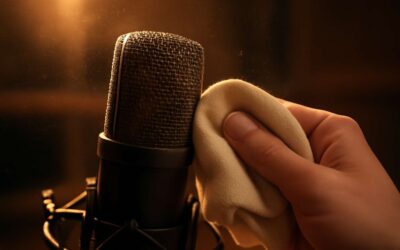
To preserve the spectral purity of your microphone, regular cleaning is paramount. Use a soft, lint-free cloth to gently wipe down the grille and body, avoiding harsh chemicals that could corrode sensitive components. When not in use, store your microphone in a dry, dust-free environment—preferably in its original case or a dedicated mic bag. This not only shields it from environmental wear but also keeps it free from the malevolent dust that can compromise the diaphragm’s delicate membrane.
Handling noise and vibrations are insidious foes. Invest in shock mounts and pop filters to tame unwanted noise and plosive sounds—those sudden, explosive bursts that can distort your recording’s clarity. Remember, a well-cared-for microphone is a loyal conduit for the haunting beauty of your sound. Whether you favor the robustness of a dynamic microphone or the ethereal capture of a condenser, proper maintenance ensures your chosen gear remains a steadfast partner in your sonic journey.
Is it worth investing in a high-end microphone? – Cost-benefit analysis
Choosing the right microphone can be the difference between a good recording and a masterpiece. With so many options on the market, it’s natural to wonder: which microphone is best for recording? High-end microphones often come with a hefty price tag, but is that investment justified? The answer depends on your specific needs and the environment you work in.
For professional studios, investing in a premium condenser microphone can deliver unparalleled clarity and detail. These microphones excel at capturing vocals and acoustic instruments with rich, nuanced sound. However, if you’re on a tight budget, a quality USB microphone might suffice for casual projects or streaming. It’s important to balance cost with intended use. Remember, a high-end microphone offers benefits such as increased durability and superior sound quality, but only if it aligns with your recording environment and goals.
Ultimately, the best choice hinges on your requirements. Whether you prioritize portability, versatility, or professional-grade performance, understanding the strengths of each microphone type helps determine which microphone is best for recording in your unique setting.
0 Comments